Holbrook, L/LL6
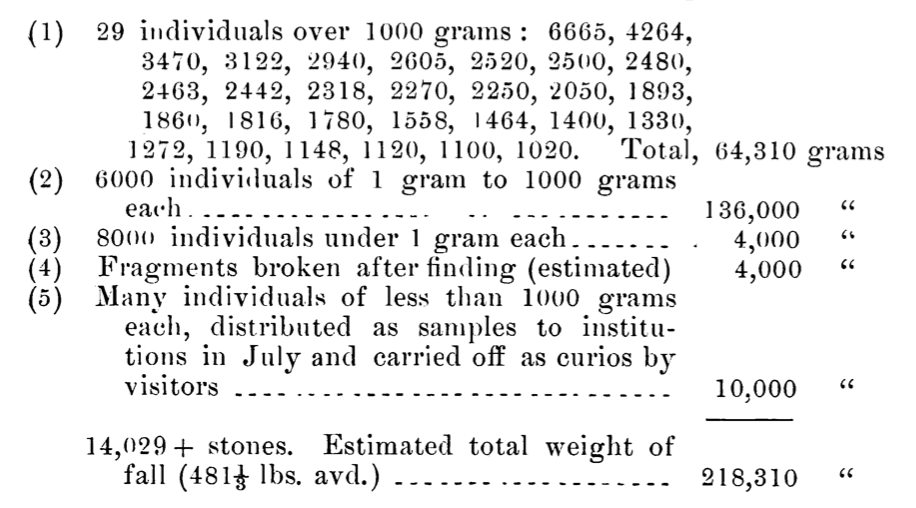
Holbrook is one of the most famous American witnessed falls. Warren M. Foote published a detailed description of the event in his well-known American Journal of Science paper, accessible here. He also published a brief report a few months later, in Popular Astronomy (vol. 21), A Remarkable Fall, July 19, 1912:
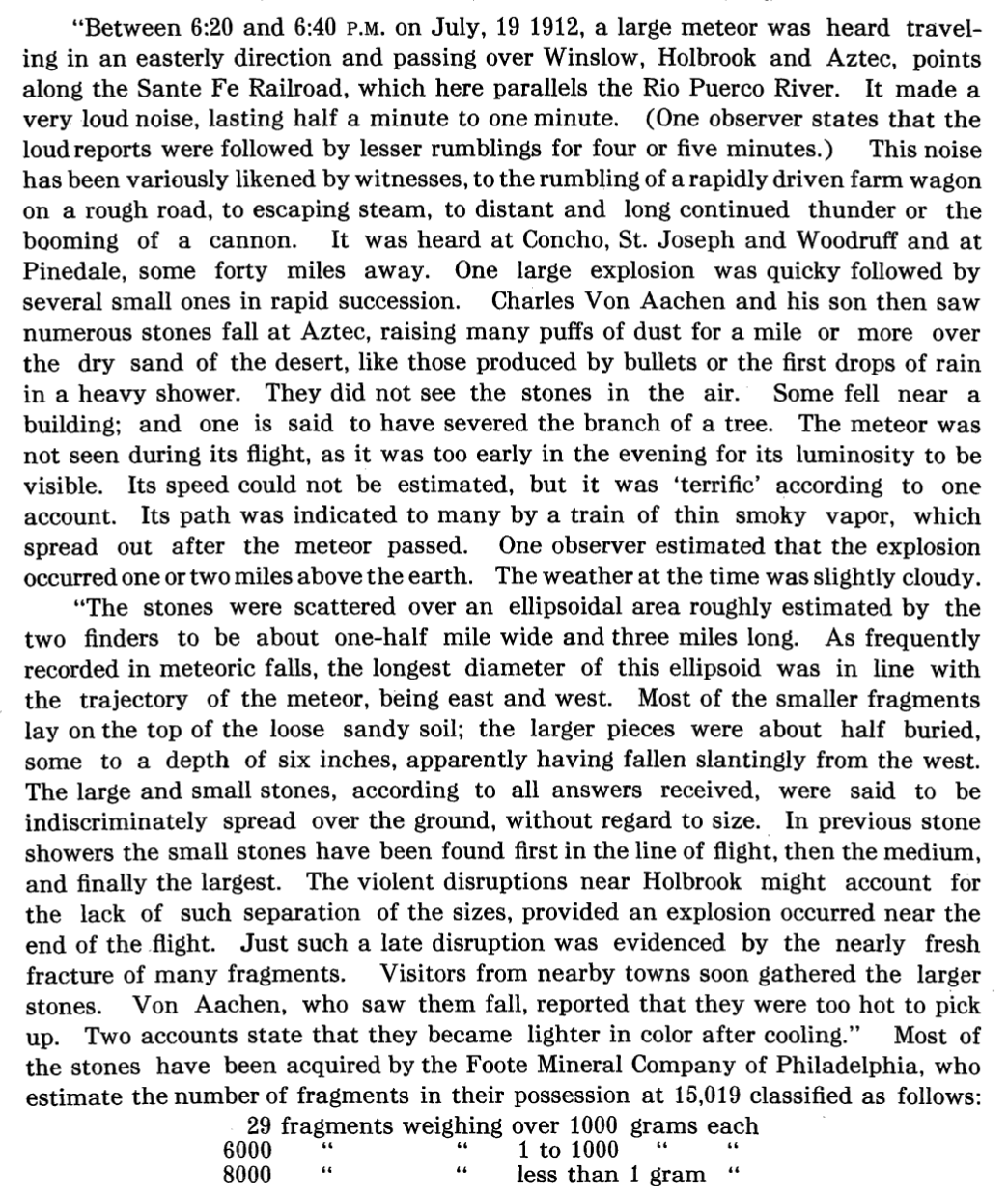
Those numbers are a gross underestimate. Literally millions of stones fell on that summer evening in 1912. Over the past ~century, the meteorites have been thoroughly incorporated into the top ~meter of soil. Even today, you can reliably visit the field and come away with a dozen or so tiny peas in a day of hunting. If you find the right area, checking anthills with a magnet can turn up multiple tiny meteorites: “millions” is not an exaggeration.
We posted a short video of a day spent hunting in the strewn field in 2023 on our Youtube channel:
There’s no easy way to photograph or display our finds from this fall – most of them are small, and many are downright tiny. But there is one stone I thought was worth sharing here. It’s a long story, but a little over 15 years after inquiring about this stone, I was finally able to get ahold of it.
2,239 gram individual, Monnig/TCU #2.11
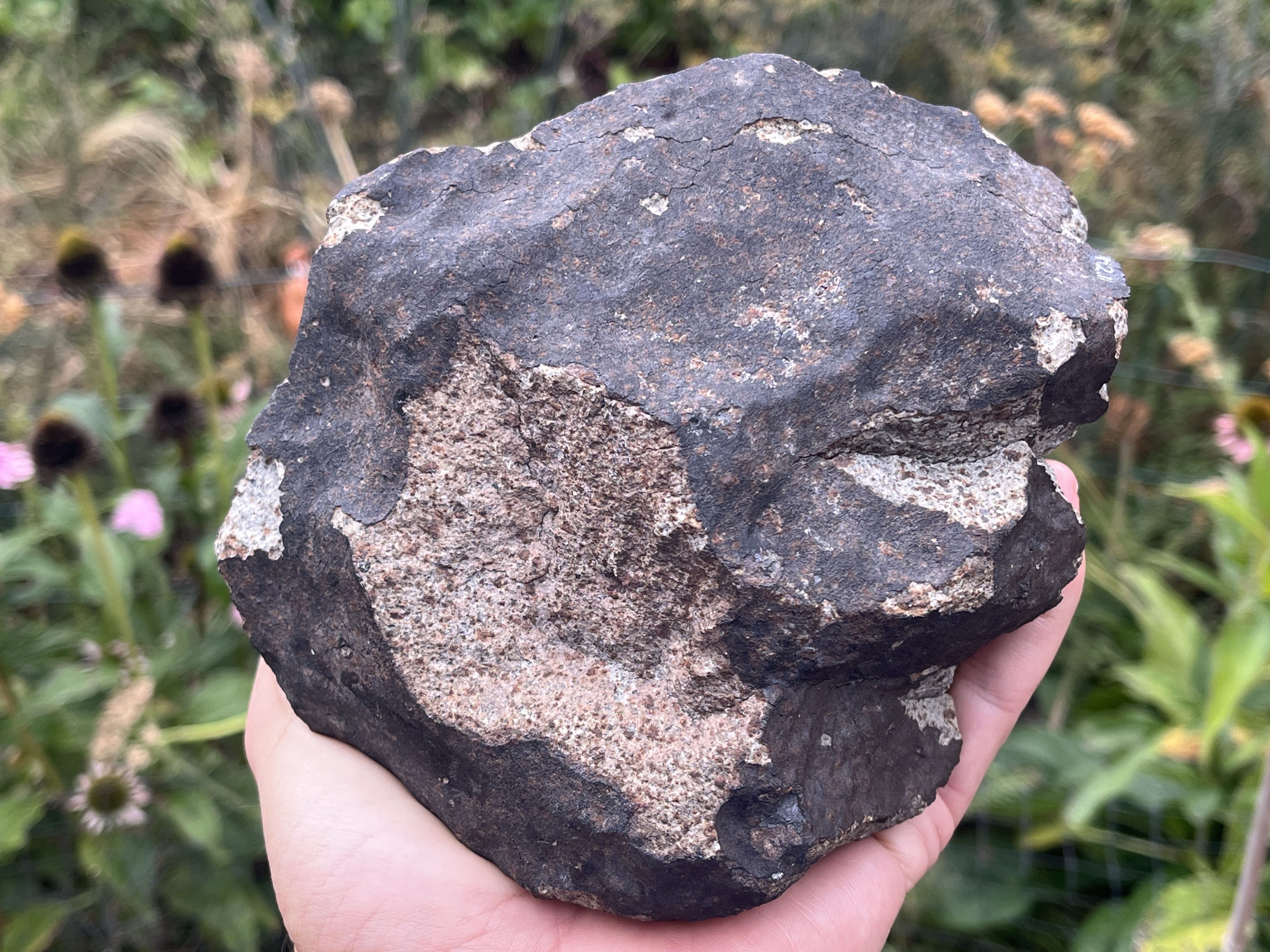
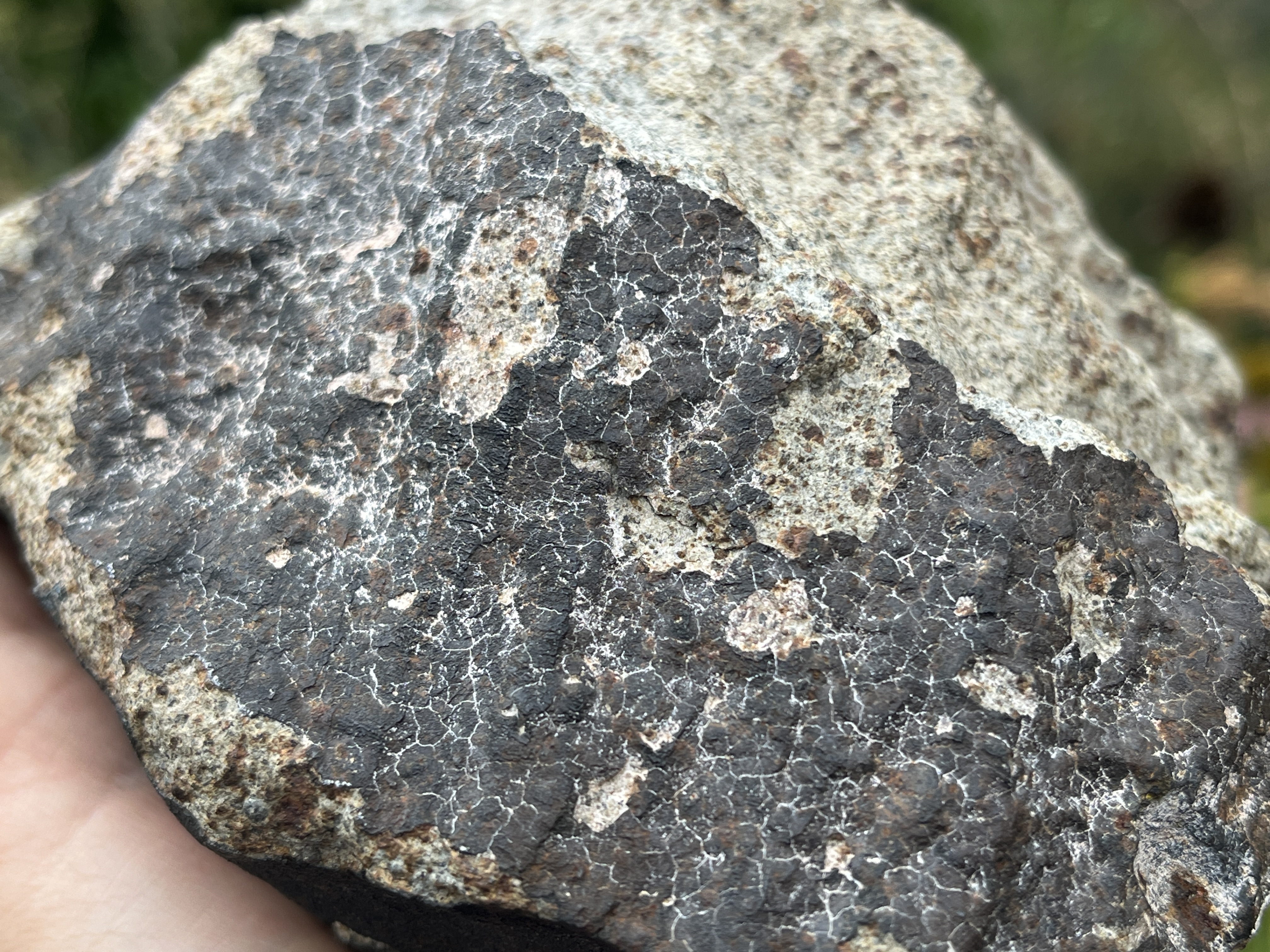
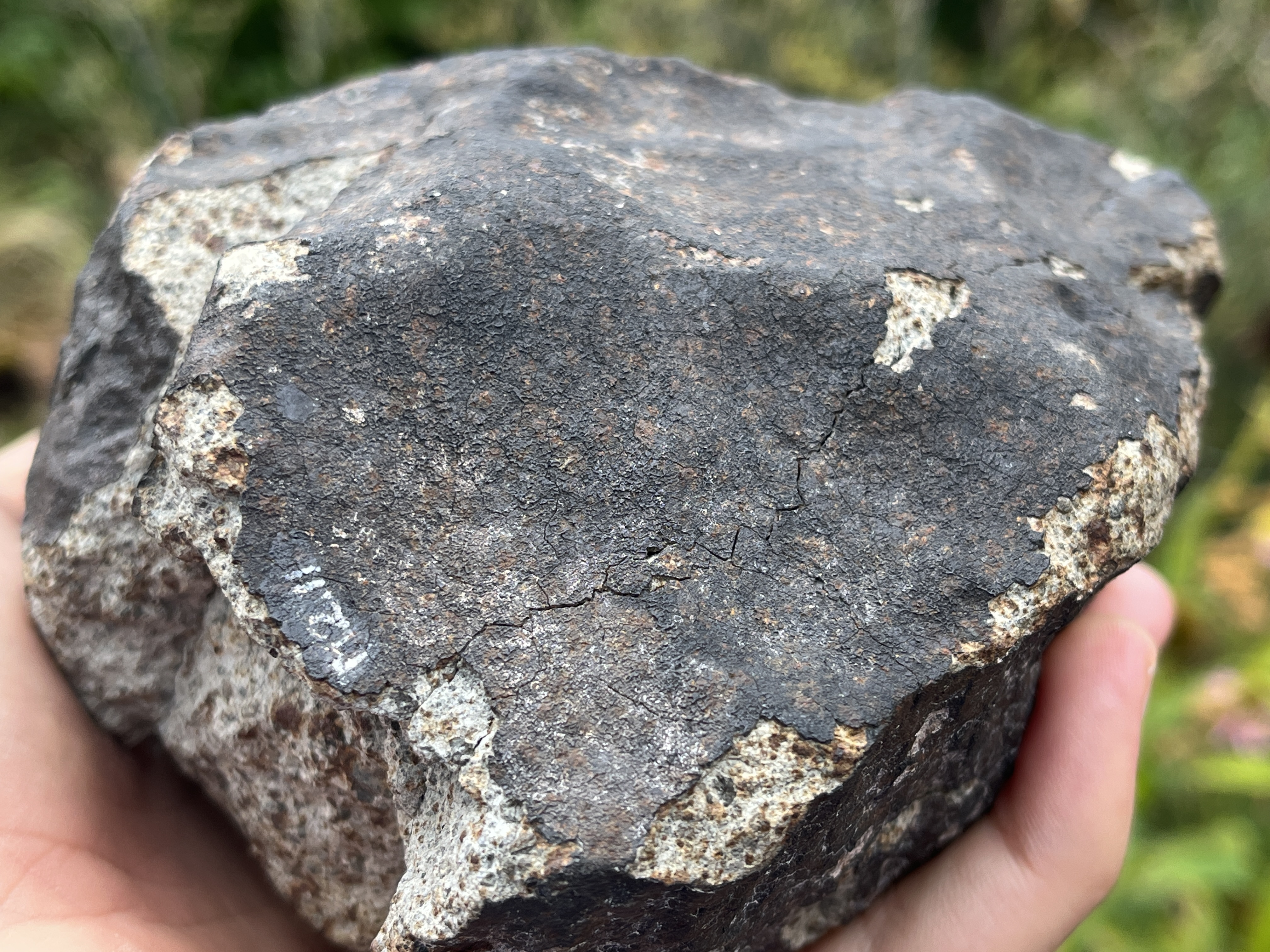
Based on Foote’s 1912 American Journal of Science article, this specimen is among the largest ~10-15 Holbrook stones recovered in 1912. If it is the listed “2250” gram individual, it would be #14. It’s hard to say for sure – this stone has a few broken corners, so its original weight could have been a little higher.